
Quick housekeeping: If this landed in your Promotions or Spam folder, drag it into your main inbox. Replying works too.
AD: I run The OuterSpark on Beehiiv platform. If you've been sitting on the idea of starting your own newsletter, you can set one up here. Every sign up helps me keep this going, but only do it when you feel ready.
On a clifftop in Cornwall there is a dish called Arthur. It went up in 1962, and in July of that year it pulled in television pictures sent across the Atlantic by a satellite, one of the first sites in the world to do it. Seven years later the site helped bring in footage from Apollo 11.

In 2008, somebody switched it off. BT moved its satellite operations elsewhere and the dishes sat in a field doing nothing.
That is where this week's video starts, and it ends somewhere I did not expect when I began researching it.
Most of the dishes you see are not talking to space
This is the thing I think people get wrong, and it is worth clearing up before anything else.
Those tall masts on hills are phone towers. They talk sideways, to the phone in your pocket, a few kilometres away. The small dish bolted to the side of a house is a receiver. It listens to a satellite and nothing more. It cannot answer back.

A ground station can do both. It listens, and it talks. It is the half of a space mission that stays on Earth, and its job is genuinely difficult: holding a two-way conversation with something moving at seven and a half kilometres per second, hundreds of kilometres overhead.

Engineers call this the ground segment. The satellite is the space segment. Only one of them gets photographed.
Here is the part that matters commercially. A satellite without a ground station is worthless. You can build perfect hardware, launch it perfectly, and if you cannot talk to it you have put a very expensive metal box into orbit to drift about.
Why the good ones are in the Arctic
Svalbard sits at 78 degrees north, roughly 1,200 kilometres from the North Pole. Almost nobody lives there. It has more than 160 antennas!

That is not an accident, and the reason is interesting once it clicks.
A satellite in Low Earth Orbit laps the planet every ninety minutes or so, which works out at about fourteen or fifteen laps a day. Picture those laps as the segments of an orange. Each one comes down over a different part of the world, because the Earth keeps turning underneath. But every segment meets at the top.
So a dish near the pole sits underneath the one point that every single orbit shares. Svalbard sees that satellite on all fourteen passes. A station in London catches it four to six times and misses the rest.
When you see a ground station in the Arctic, or in the Atacama, or on some island nobody can place on a map, somebody has done the orbital geometry and put the dish exactly where the satellite will be.
The bit that changed the economics
Until fairly recently, operating a satellite meant building your own ground station. A dish for the right frequencies can cost upwards of half a million dollars. Then you pay for staff, maintenance and licences forever, and it still only sees one patch of sky.

For a startup with three satellites, that is a brutal line item.
So the model flipped. You stop buying the dish and start renting time on somebody else's. The industry calls it ground station as a service, and the numbers are striking. A routine health check pass runs somewhere between twenty and eighty dollars. A heavy data downlink at a polar site might be five hundred. A small operator could spend five to thirty thousand dollars a year in total.
Against half a million up front, that is a different business entirely.
KSAT in Norway, SSC in Sweden and Leaf Space in Italy all sell this now. You book a pass through a web page, the way you would book a meeting room.

I find this more interesting than most hardware stories. Ground stations used to be infrastructure you had to own. Now they are becoming a utility you consume. That single shift is a large part of why the current wave of small satellite companies can exist at all.
Final thought
Here is what I have watched go wrong, more than once.
If you are raising money for a satellite business, your ground segment plan is one of the fastest ways an experienced investor will judge whether you have actually thought it through. Vague answers there suggest vague answers everywhere.
There is also a career point buried in this. Ground segment work is one of the most reliable ways into the industry, and almost nobody applies for it. It hires software, networks and operations people rather than only aerospace engineers. It is less glamorous than designing spacecraft and there is far more of it.
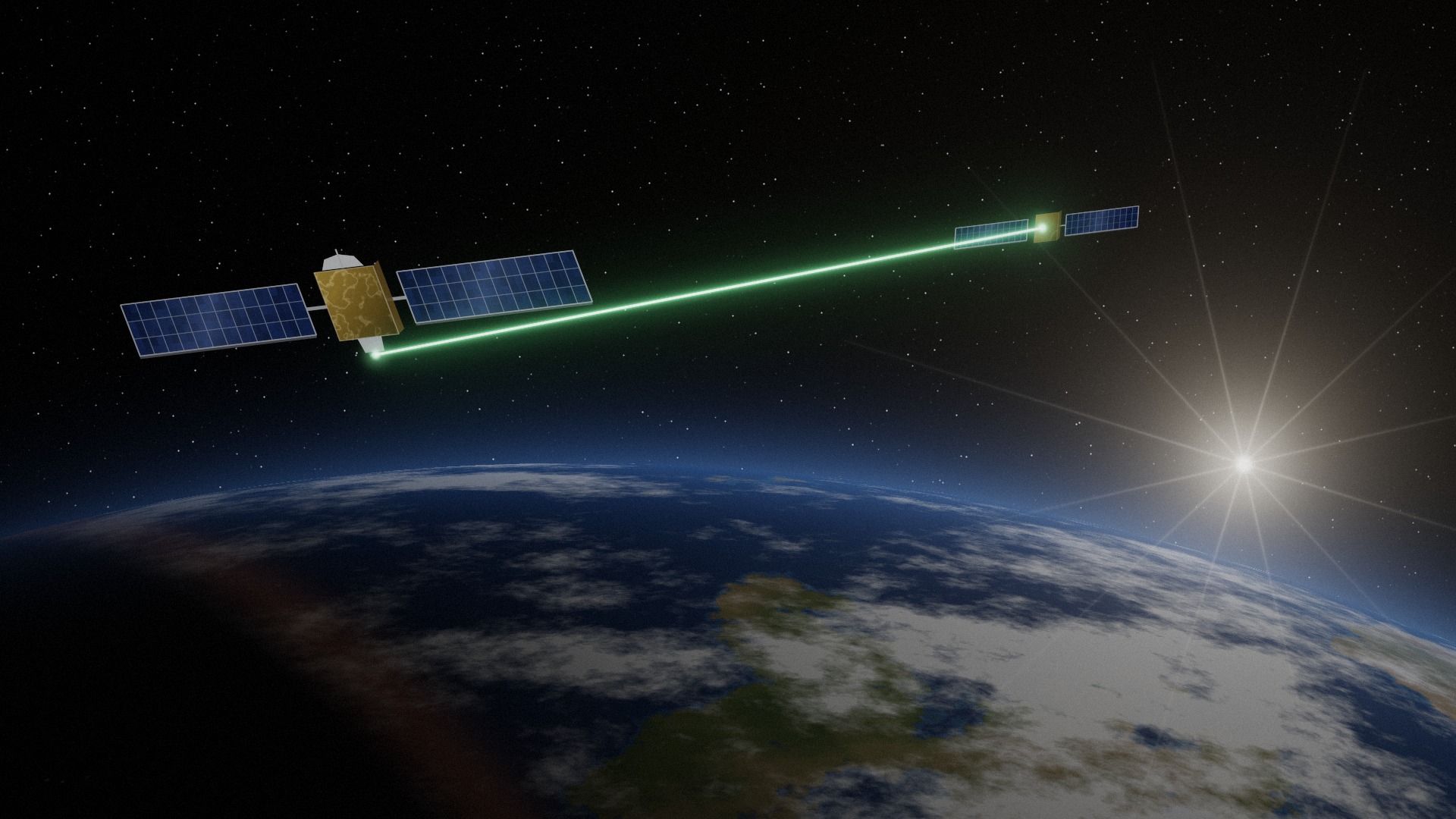
The video also gets into what comes next, which is flat antennas with no moving parts, and lasers replacing radio. Both are already being installed. Both have a catch.
And if you missed it, the first episode was about who actually watches orbit, and why a small Swiss company spotted a Russian satellite breaking apart before any government did. That one is here.
Till next time!
Ricky